
Diabetes is a group of metabolic diseases characterized by high blood sugar. Hyperglycemia is caused by defects in insulin secretion or its biological effects or both. Hyperglycemia, which persists in diabetes, causes chronic damage and dysfunction of various tissues, especially the eyes, kidneys, heart, blood vessels, and nerves.
Urine sugar? What is the secret doctor?
Diabetes is a common metabolic disorder, in which blood sugar (glucose) rises and then flows away from the urine, so there is sugar in the urine. Specifically, it is associated with excessive intake of total heat, fat, carbohydrates, less exercise, and excess nutrients, so it is nicknamed “rich disease”. If the disease is not well controlled, complications will occur in the future, such as heart disease, coronary heart disease, cerebrovascular disease, retinal vascular disease, renal arteriosclerosis.
Cause
1. Genetic factors
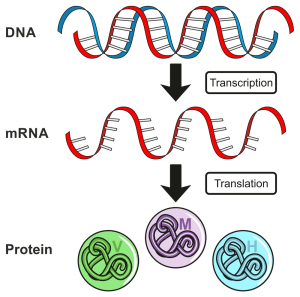 There is significant genetic heterogeneity in type 1 or type 2 diabetes. There is family morbidity in diabetes, and 1/4 to 1/2 patients have a family history of diabetes. Clinically, at least 60 genetic syndromes can be associated with diabetes. Type 1 diabetes has multiple DNA sites involved in the parthenogenesis, and the DQ locus polymorphic in the HLA antigen gene is most closely related. A variety of well-defined gene mutations have been discovered in type 2 diabetes, such as the insulin gene, the insulin receptor gene, the glucose gene, and the mitochondrial gene.
2. Environmental factor
 Eating too much, leading to physical activity to reduce obesity is type 2 diabetes, the most important environmental factors that have type 2 diabetes susceptibility of individual genetic morbidity. Patients with type 1 diabetes have abnormalities in the immune system, causing autoimmune reactions and destroying insulin beta cells after infection with certain viruses such as the Cossack virus, rubella virus, and sputum Aden virus.
Clinical manifestation
1. Drink more, polyuria, eat more and lose weight
Typical “three more and one less” symptoms in severe hyperglycemia, more common in type 1 diabetes. Ketosis or acidosis when “a little” more obvious symptoms.
2. Tired, obese
More common in type 2 diabetes. Type 2 diabetes often has obesity before it occurs. If it is not diagnosed in time, the bodyweight will gradually decrease.
An Examination
1. Blood sugar
It is the only standard for diagnosing diabetes. Those who have obvious symptoms of “three more and one less” can be diagnosed with an abnormal blood sugar level. Asymptomatic patients need two abnormal blood glucose levels to diagnose diabetes. Suspicious people need to do a 75g glucose tolerance test.
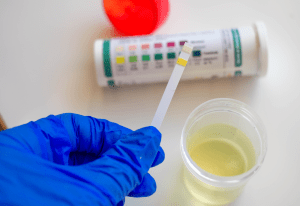
2. Urine sugar
Often positive. Urine sugar is positive when the blood glucose concentration exceeds the renal sugar threshold (160-180 mg/dl). When the renal sugar threshold is increased, even if the blood glucose reaches the diagnosis of diabetes, it can be negative. Therefore, urine sugar determination is not a diagnostic criterion.
3. Urinary ketone body
Ketoacidosis or ketosis toxic acid positive urine ketone time.
4. Glycosylated hemoglobin (HbA1c)
It is a product of the non-enzymatic reaction of glucose and hemoglobin. The reaction is irreversible and the HbA1c level is stable, which can reflect the average blood glucose level 2 months before blood collection. It is the most valuable indicator for judging blood sugar control status.
5. Glycosylated serum protein
It is a product of the non-enzymatic reaction of blood glucose and serum albumin, reflecting the average blood glucose level 1 to 3 weeks before blood collection.
6. Serum insulin and C-peptide levels
Reflects the reserve function of islet beta cells. Type 2 diabetes early or obese serum insulin is normal or increased, with the development of the disease, islet function gradually declines, insulin secretion capacity declines.
7. Blood lipid
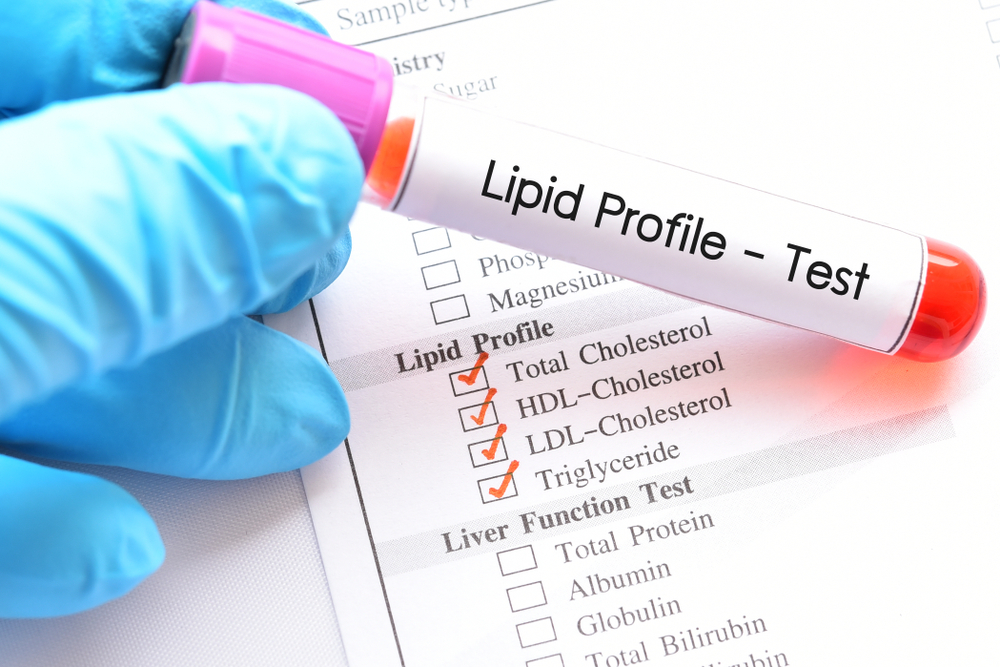
Diabetic patients have common epidemically, especially when blood sugar control is poor. It is characterized by elevated levels of triglycerides, total cholesterol, and low-density protein cholesterol. High-density protein cholesterol levels are reduced.
8. Immune index
Islet cell antibodies (the ICA), insulin autoantibodies (IAA) and glutamic acid decarboxylase (GAD) antibodies are type 1 diabetes three important indicators of abnormal humoral immunity, wherein the GAD antibody-positive rate, long duration of 1 The diagnosis of type 2 diabetes is of great value. There is also a certain positive rate in the first-degree relatives of type 1 diabetes, which has the significance of predicting type 1 diabetes.
9. Urinary albumin excretion, radioimmunoassay or enzyme-linked method
Urinary albumin excretion can be detected sensitively, and urinary albumin is slightly elevated in early diabetic nephropathy.
Diagnosis

Diagnosis of diabetes is generally not difficult, fasting blood glucose greater than or equal to 7.0 mmol/liter, and/or two hours after the meal, blood glucose greater than or equal to 11.1 mmol/liter can be diagnosed. To diagnose after diagnosis of diabetes:
Type 1 diabetes
 Age of onset of light, mostly <30 years old, sudden onset, Polynesia, and polyurethane more food weight loss symptoms, high blood sugar levels, many patients with mitosis acidosis as the first symptom, low serum insulin, and C-peptide levels, ICA, IAA Or GAD antibodies can be positive. Oral administration alone is not effective and requires insulin therapy.
Type 2 diabetes
 Common in middle-aged and elderly people, obesity has a high incidence, often accompanied by high blood pressure, dyslipidemia, arteriosclerosis, and other diseases. Insidious onset, no symptoms in the early stage, or only mild fatigue, thirst, blood sugar is not obvious, we need to do a glucose tolerance test to confirm the diagnosis. Serum insulin levels are normal or elevated early and are low in the late stage.
Differential diagnosis
1. Liver Disease
Patients with cirrhosis often have abnormal glucose metabolism. Typical fasting blood glucose is normal or low, and postprandial blood glucose rises rapidly. The fasting blood glucose of the elderly with the disease can also increase.
2. Chronic renal insufficiency
Abnormal light glucose metabolism can occur.
3. Stress state
Many stress states such as heart and cerebrovascular accidents, acute infections, trauma, and surgery can lead to a transient increase in blood glucose, which can be restored 1 to 2 weeks after the stress factor is removed.
4. Multiple endocrine diseases
Such as acromegaly, Cushing’s syndrome, hyperthyroidism, pheochromocytoma, glucagonoma can cause secondary diabetes, in addition to elevated blood sugar, there are other characteristic manifestations, it is not difficult to identify.
Treatment
There is currently no cure for diabetes, but diabetes can be controlled by a variety of treatments. It mainly includes five aspects: education for diabetic patients, self-monitoring blood sugar, diet therapy, exercise therapy, and drug therapy.
(a) General treatment
1. Education
To educate people with diabetes to understand the basics of diabetes, to build confidence in the fight against disease, how to control diabetes, and to control the health benefits of diabetes. Develop appropriate treatment options based on the characteristics of each diabetic patient.
2. Self-monitoring blood sugar
With the gradual popularization of small and fast blood glucose meters, patients can adjust the dose of hypoglycemic drugs at any time according to blood sugar levels. Type 1 diabetes is monitored at least 4 times a day (pre-meal) when intensively treated, and 8 times before blood glucose is unstable (before, after, at night, before bedtime and at 3:00 am). Fasting blood glucose should be controlled below 7.2 mmol/L during intensive therapy, blood glucose less than 10 mmol/L two hours after a meal, and HbA1c less than 7%. The frequency of self-monitoring blood glucose in patients with type 2 diabetes can be appropriately reduced.
(Two) Drug Treatment
1. Oral medication
(1) Sulfonamides type 2 DM patients after diet control, exercise, weight loss, and other treatment, the effect is not satisfactory, sulfonamides drugs can be used. Because the mechanism of hypoglycemic is mainly to stimulate insulin secretion, it is better for those with certain islet function. For some diabetic patients with younger-onset and less fat, they also have a certain effect in the early stage. However, when using sulfonamides for obese people, special attention should be paid to diet control to gradually reduce body weight, which is better combined with big cyanide or α-glucose inhibitor hypoglycemic agents.
The following conditions are contraindications: First, severe liver and kidney dysfunction; second, severe infection, temporary change to insulin during trauma and major surgery; third, diabetic mitosis, acidosis, temporary conversion to insulin therapy Fourth, pregnant women with diabetes, pregnancy hyperglycemia has pathogenic effects on the fetus, premature birth, stillbirth rate is high, it should be strictly controlled blood sugar, fasting blood glucose should be controlled below 105 mg/deciliter (5.8 mmol/liter), meal After 2 hours, the blood sugar control is below 120 mg/dl (6.7 mmol/liter), but the control of blood sugar is not suitable for oral hypoglycemic agents; the fifth is allergic to sulfonamides or obvious adverse reactions.
(2) Biguanide hypoglycemic drugs mainly hypoglycemic mechanism is to increase peripheral tissue glucose, to increase the anaerobic glycolysis of glucose, reduce the gastrointestinal absorption of glucose, reduce weight. 1 Indications for obesity type 2 diabetes, the effect of diet therapy alone is not satisfactory; type 2 diabetes alone is not effective with sulfonylurea drugs, can be added with biguanide drugs; type 1 diabetes with insulin treatment is unstable, with biguanides Drugs can reduce the dose of insulin; when the secondary failure of type 2 diabetes is changed to insulin, a biguanide can be added to reduce the amount of insulin. 2 contraindications severe liver, kidney, heart, lung disease, wasting disease, malnutrition, hypnotic disease; diabetic ketosis, ketoacidosis; accompanied by severe infection, surgery, trauma, and other stressful conditions Drugs, switched to insulin therapy; pregnancy. Adverse reactions should be first, gastrointestinal reactions.
The most common manifestations are nausea, vomiting, loss of appetite, abdominal pain, and diarrhea, with an incidence of up to 20%. To avoid these adverse reactions, take the medicine during or after meals. The second is a headache, dizziness, and metallic taste. Third, lactic acidosis, more common in long-term, a large number of application of hypoglycemic, accompanied by liver and kidney dysfunction, hypoxic diseases, acute infections, gastrointestinal diseases, hypoglycemic tablets cause less chance of acidosis.
(3) Alpha-glucosidase inhibitors Type 1 and Type 2 diabetes can be used, and can be used in combination with sulfonylureas, biguanides or insulin . 1 vgregliose was taken orally immediately before the meal. 2 Acarbose is taken orally immediately before a meal. The main adverse reactions were: abdominal pain, flatulence, diarrhea, and increased anal exhaust.
(4) Insulin sensitizes can enhance insulin action, improve glucose metabolism. It can be used alone or in combination with sulfonamides, disambiguate or insulin. Those with liver disease or cardiac dysfunction should not be applied.
( 5) Glinide-like insulin secretagogue 1 repaglinide is a rapid insulin-promoting agent. It is taken orally immediately before a meal, and it is served every time the main meal is served. 2 nateglinide acts like repaglinide.
2. Insulin therapy
Insulin preparations are animal insulin, human insulin, and insulin analogs. According to the action time, it is divided into short-acting, medium-acting and long-acting insulin, and has been made into a mixed preparation.
(1) Type 1 diabetes need insulin therapy. Non-intensive treatments were injected 2 to 3 times a day, and intensive treatment was injected 3 to 4 times a day, or with an insulin pump. The dose needs to be adjusted frequently.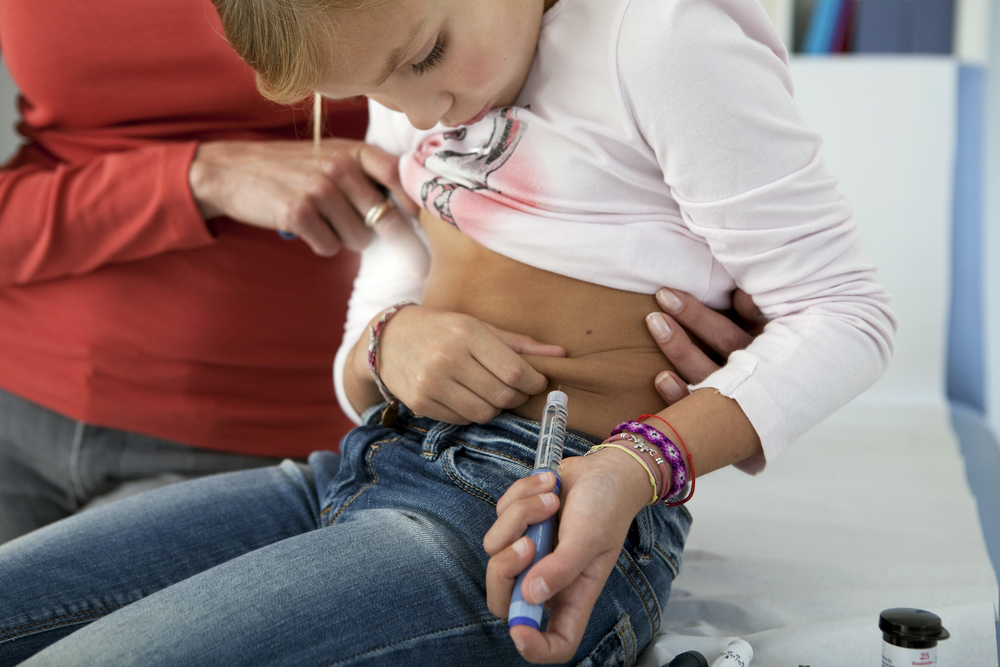
(2) Type 2 diabetes, oral hypoglycemic agents in combination therapy, first failure mode, the original method with the same dose of oral hypoglycemic agents, 10pm bedtime injection of insulin or long-acting insulin analogues, generally every The adjustment was made once every 3 days for the purpose of fasting blood glucose to 4.9 to 8.0 mmol/L. Ineffective patients discontinued oral hypoglycemic agents and switched to insulin injection twice a day.The biggest adverse reaction to insulin therapy is hypoglycemia.
(3) Sports therapy
Increased physical activity can improve the body’s sensitivity to insulin, reduce body weight, reduce body fat, enhance physical strength, improve workability and quality of life. The intensity and duration of exercise should be based on the overall health of the patient, finding the amount of exercise appropriate for the patient and the item of interest to the patient. Sports can be varied, such as walking, brisk walking, aerobics, dancing, tai chi, running, swimming, etc.
(4) Diet treatment
Dietary therapy is the basis of all types of diabetes treatment, and some patients with mild diabetes can control their condition with diet alone.
Total heat
The total calorie requirement is determined by a combination of factors such as the patient’s age, gender, height, weight, physical activity, and condition. First, to calculate the standard weight of each person, you can refer to the following formula: standard weight (kg) = height (cm) – 105 or standard weight (kg) = [height (cm) – 100] × 0.9; female standard weight should Then subtract 2kg. It can also be obtained by looking up the table according to age, gender, and height. After calculating the standard weight, the calorie requirement per kilogram of standard body weight is estimated based on each person’s daily physical activity.
After calculating the amount of calorie required per day based on the standard weight, it should be adjusted according to other conditions of the patient. Children, adolescence, lactation, malnutrition , weight loss, and chronic wasting diseases should increase total calories as appropriate. Obese people should strictly limit the total calorie and fat content, and give a low-calorie diet. The total calorie per day does not exceed 1500 kcal, which is generally reduced by 0.5-1.0 kg per month. When the standard weight is approached, calculate the total daily amount according to the above method. Heat. In addition, older people need less calories than younger ones, and adult women need less calories than men.
2. Carbohydrate
Carbohydrates produce 4 kilo-calories per gram, which is the main source of calories. It is believed that carbohydrates should account for 55% to 65% of the total calories of the diet, which can be calculated by the following formula:
According to the living habits of our people, we can enter the main food (rice or noodles) 250 ~ 400g, can be made as follows: the rest of the daily staple food 200 ~ 250g, mild physical labor 250 ~ 300g, moderate manual labor 300 ~ 400g, Heavy physical workers are more than 400g.
3. Protein
Protein produces 4 kilocalories per gram of calories. It accounts for 12% to 15% of total heat. The amount of protein required is about 1 g per kilogram of body weight in adults. In children, pregnant women, lactating women, malnutrition, weight loss, and consumptive diseases should be increased to 1.5 ~ 2.0g per kilogram of body weight. People with diabetic nephropathy should reduce their protein intake by 0.8g per kilogram of body weight. If renal insufficiency is present, high-quality protein should be ingested and the intake should be further reduced to 0.6g per kilogram of body weight.
4. Fat
The energy of fat is higher, producing 9 kilocalories per gram. It accounts for about 25% of total calories, generally no more than 30%, and 0.8 to 1 g per kilogram of body weight per day. Animal fats mainly contain saturated fatty acids. Vegetable oil contains more unsaturated fatty acids, and diabetic patients are more susceptible to atherosclerosis. Vegetable oil should be used.



 Health Care BD